Mulranny has become a favourite stop for families and tourists, as the fantastic Greenway has introduced this gem of a village to a whole new audience. With woods, farmland, mudflats, machair and Clew Bay in close proximity, there’s quite a bit of bird life to be seen in the area. In this piece, I’ve tried to cover some of the best spots to visit if you have an hour or two to spare.
I started at the Mulranny Park Hotel on a hot, sunny July day, with House Martins wheeling around the gables. Crossing the road, I headed down the steep steps through the trees. Moving from the bright sunlight to the green interior of the forest is like entering a different world. The dim, shady woods, covered in lichen and moss, are like a rainforest. That day a Treecreeper moved along the trunks giving the characteristic three syllable high pitched call. Goldcrest and Coal Tit were also calling in the trees. I emerged from the trees, to see Trawoughter Strand at low tide, with large stretches of sand exposed covered in the casts of lugworms. Watching the tide uncover and cover the strand can be hypnotic, best observed, after a day out in the fresh atlantic air, from the big windows of McLoughlins or Moynish House with a pint of Guinness and a bowl of chowder.
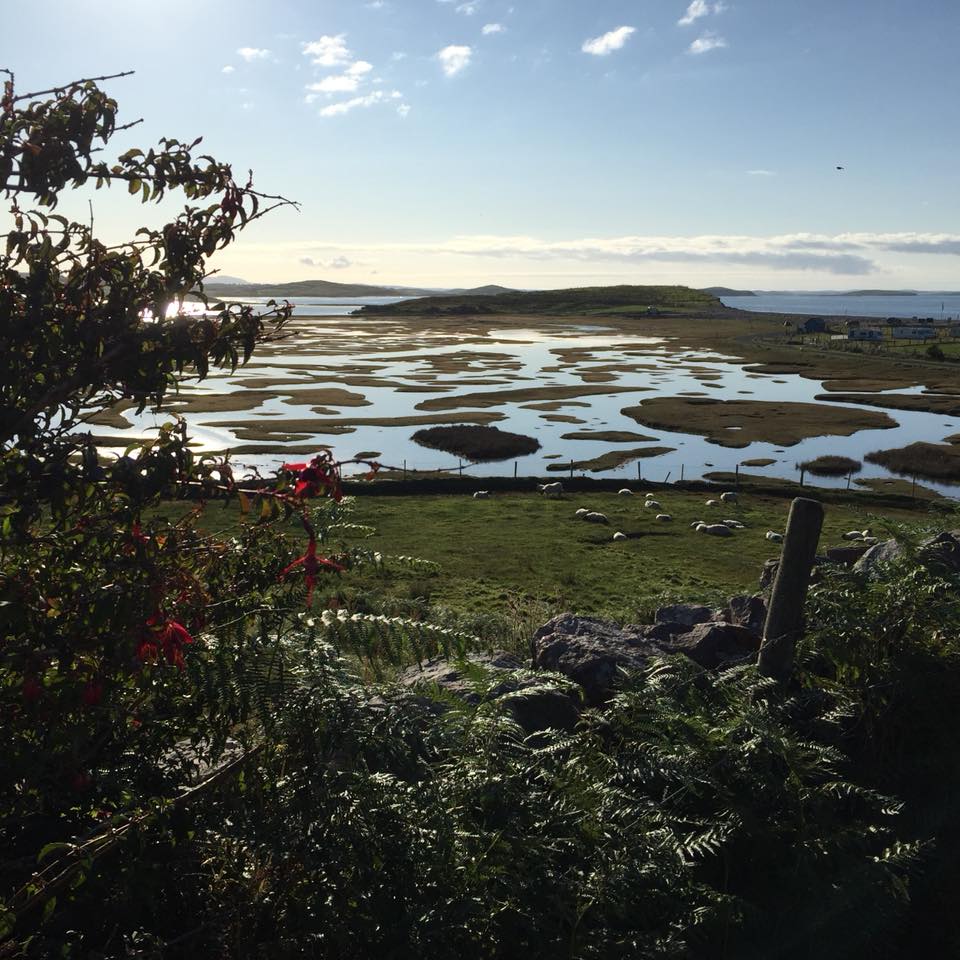
Oystercatcher, Ringed Plover, and Curlew called as I crossed the wooden bridge, under which I have spent many happy hours teaching my kids how to catch the incredibly obliging crabs with a piece of string with a piece of bacon on the end of it. As I crossed the causeway I reached a patch of saltmarsh, shorn by sheep, with Meadow Pipit having aerial battles, and a Wheatear flying from rock to rock ahead of me, showing its white rump clearly. My kids delight in these charming birds, particularly after they learned that its name means “White Arse”!
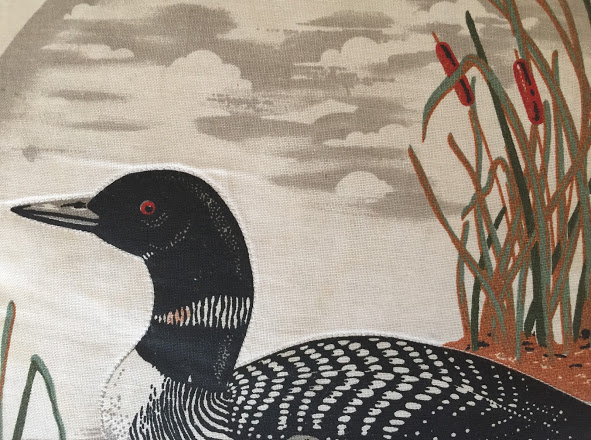
I moved on and got onto the road leading to the pier. On the hill above the pier, you can see the lazy-beds where families used to grow potatoes. This field hadn’t been grazed by the sheep, and was full of wildflowers – vetch, spotted orchid, meadowsweet – with a Stonechat busily feeding its demanding fledgelings along the fence-posts. At the pier, several Sandwich Tern were hovering and diving for fish with Common Gull and Great Black Backed Gull observing. Out to sea, I was delighted to see a pair of Great Northern Diver peering under the water (known as snorkelling), before diving for fish. These are known as Loons in the United States, and I was once lucky enough to see the rare sight of a summer-plumaged Great Northern giving its atmospheric, eerie, wailing call from the harbour in Mulranny. This time, a female Red-Breasted Merganser was fishing in the harbour. Looking back at the village, the mountains rise up behind the hotel, and several times I’ve heard the “kronk” of a Raven or a Cuckoo calling from the heights.
Back in the village, if you walk down the hill past Daly’s, you will pass a white-washed cottage set back from the road, beside a wooded small waterfall and a stream. The woods here are good for Siskin and Linnet and all the finches. In the fields on the southern side of the road you will hear Sedge Warbler, and if you’re lucky on a balmy summer’s evening, a Grasshopper Warbler calling like the reel on a fishing rod.
If you have a longer stay, you can use Mulranny as a base. For Red Grouse, Cuckoo, Merlin, Common Sandpiper and other heathland birds, take the road so beautifully described by Mike McCormack in Solar Bones, “where the N59 twists its way under a single-arch stone bridge set among blazing rhododendrons . . . within a few miles and within a sudden thinning of the light the mountains withdrew into the clouded distance and the world levelled down to that open bogland through which the road wended its way to Ballycroy and Bangor”. Achill and Clare Island can be easily reached also. (Read my blog post about getting the ferry to Clare Island).
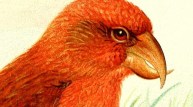
One final tip, there’s a Coillte forest on the slopes of Curraun, on the road to Achill, accessed by a rocky forest road ( https://goo.gl/maps/KrQVjsWHmcpSwnTy7 ). It can seem a bit desolate, but it’s a very reliable spot for Crossbill – one of my favourite birds.

 BirdBrain